The fjord, the plants and the houses
All fourteen photographs were taken around Suðureyri by Szymon Sulima. Four show places in the fjord, eight show plants and a fungus from the chapter on nature, and two show the houses from the chapter on history.
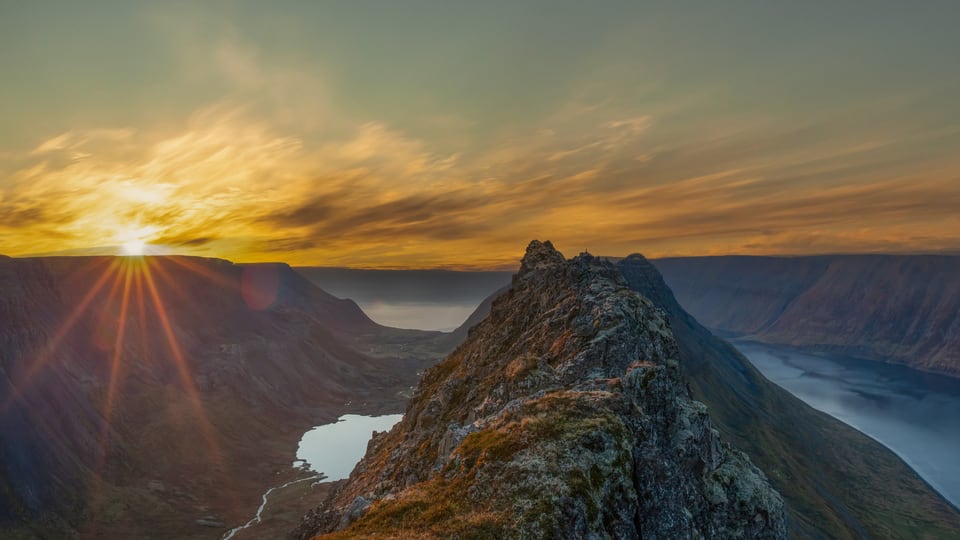
A stone pillar on the summit. The view takes in Vatnadalur and the whole of Súgandafjörður, and the light is best at sunset.
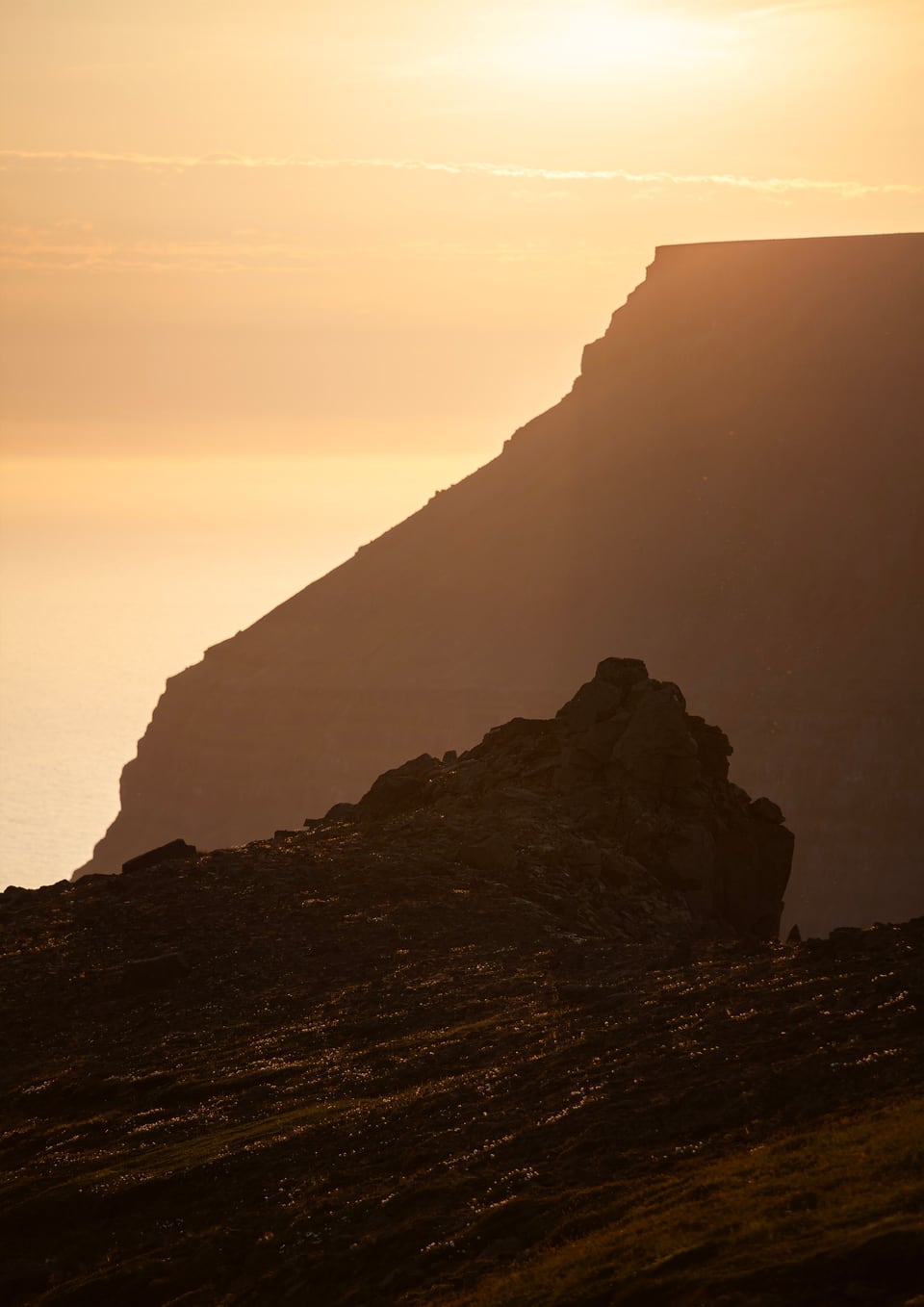
The mountain that closes the mouth of the fjord. Göltur and Sauðanes hold the black-legged kittiwake, the northern fulmar and the common eider.
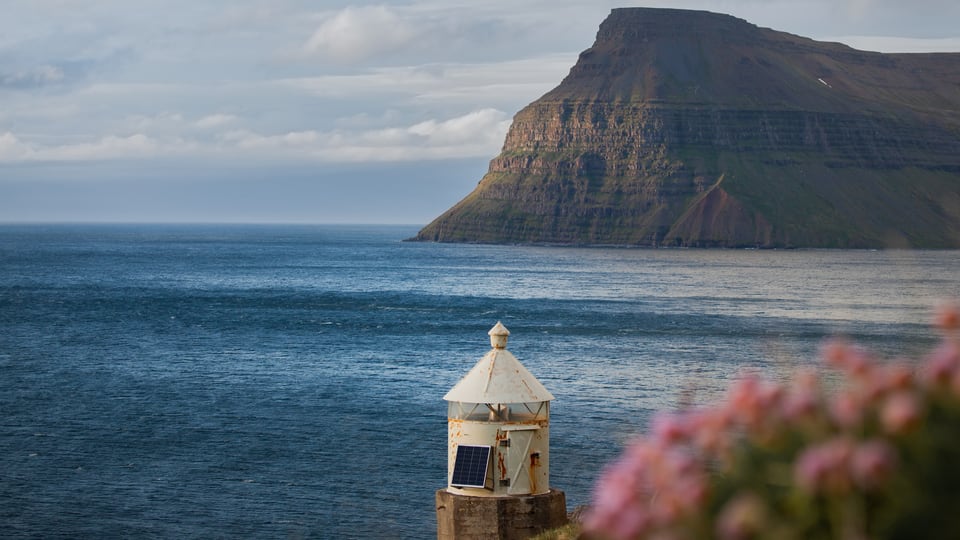
The lighthouse at Sauðanes. The same seabirds nest on these cliffs as on Göltur.
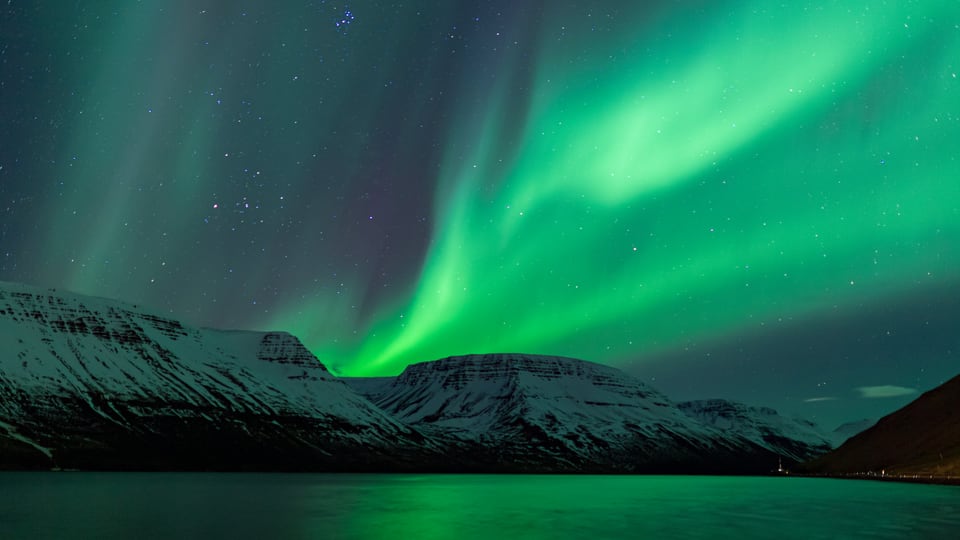
The window of dark nights runs from 25 August to 19 April. The earliest aurora we have recorded was on 10 September.
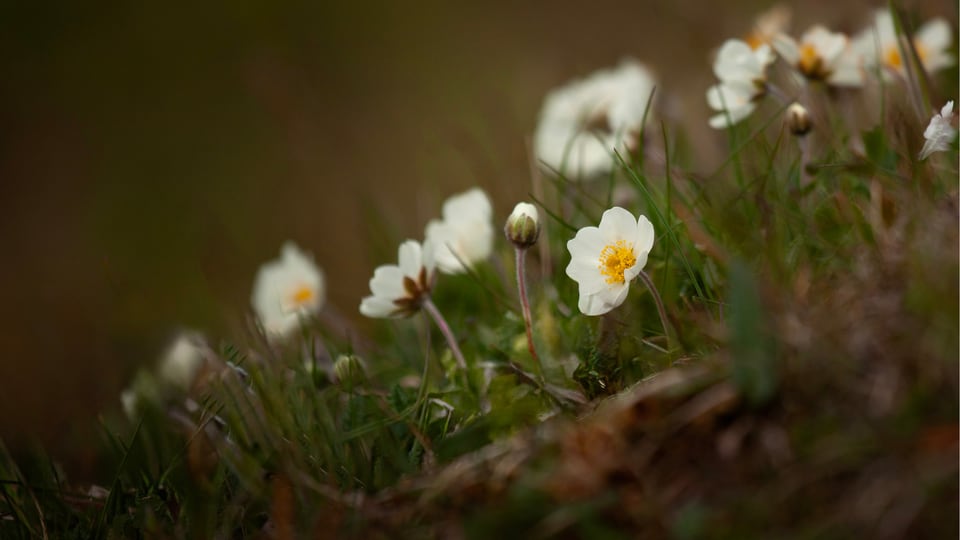
Iceland's national flower since 2004. It flowers on gravel and bare rock in May and June, then turns into feathery seed heads. Its leaf is called rjúpnalauf, ptarmigan leaf, and the ptarmigan really does feed on it.
More in the chapter on natureRead the article about holtasóley
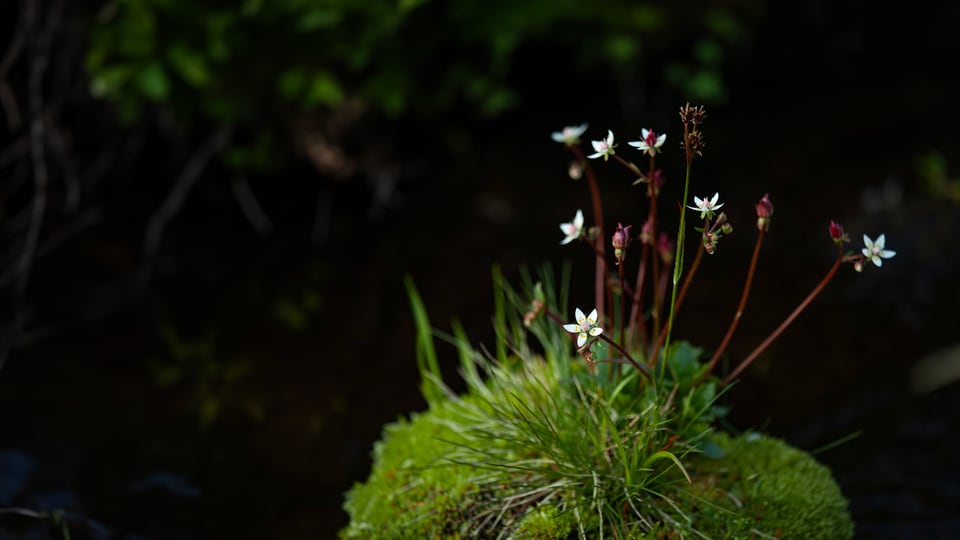
It holds the bank by the stream, from sea level to 1000 m, and tolerates soil acid enough that little else does.
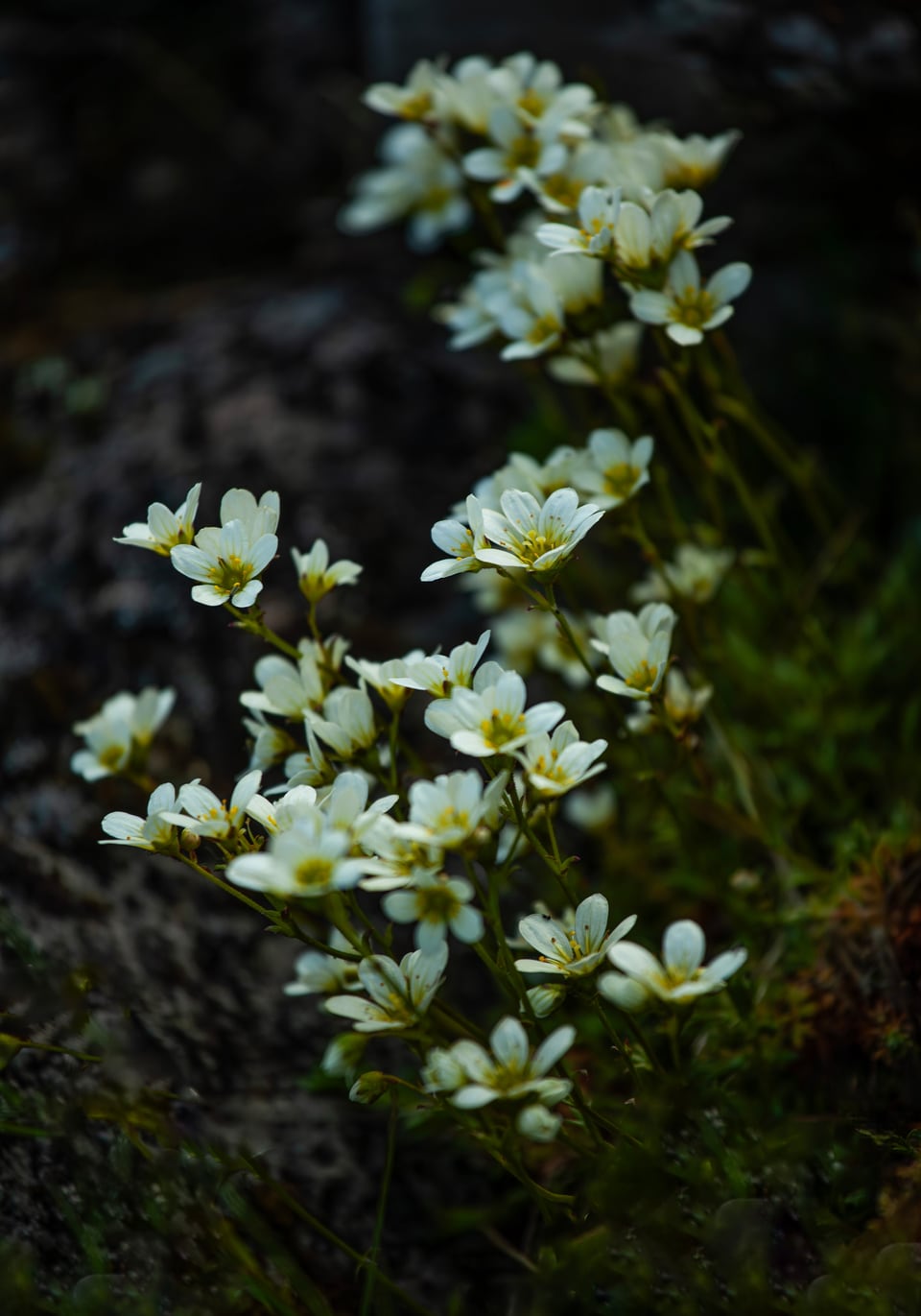
It sits in a crack in the stone. The genus name means rock breaker, from saxum and frangere, and over several decades the plant does exactly that.
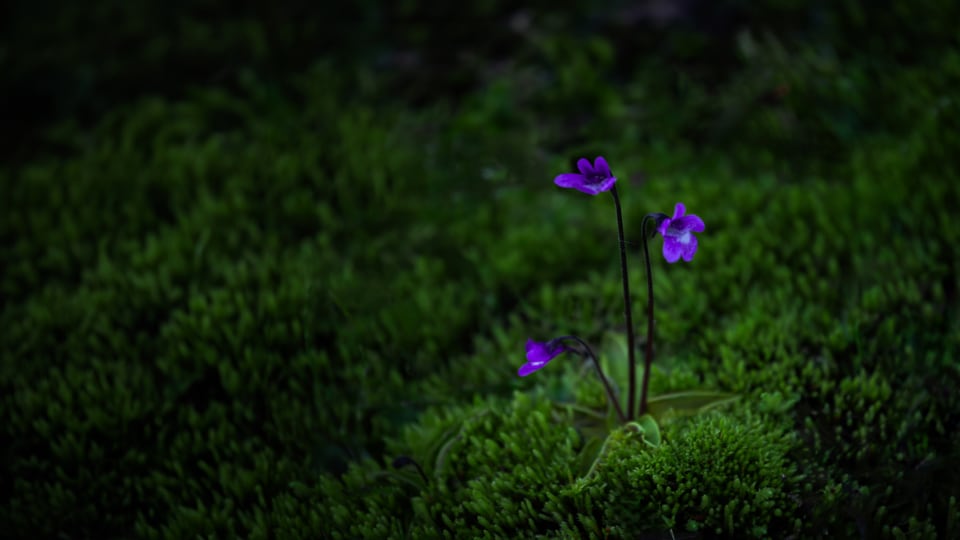
One of the two carnivorous plants of this island. It grows where the moss gives under your boot and water comes up around the sole.
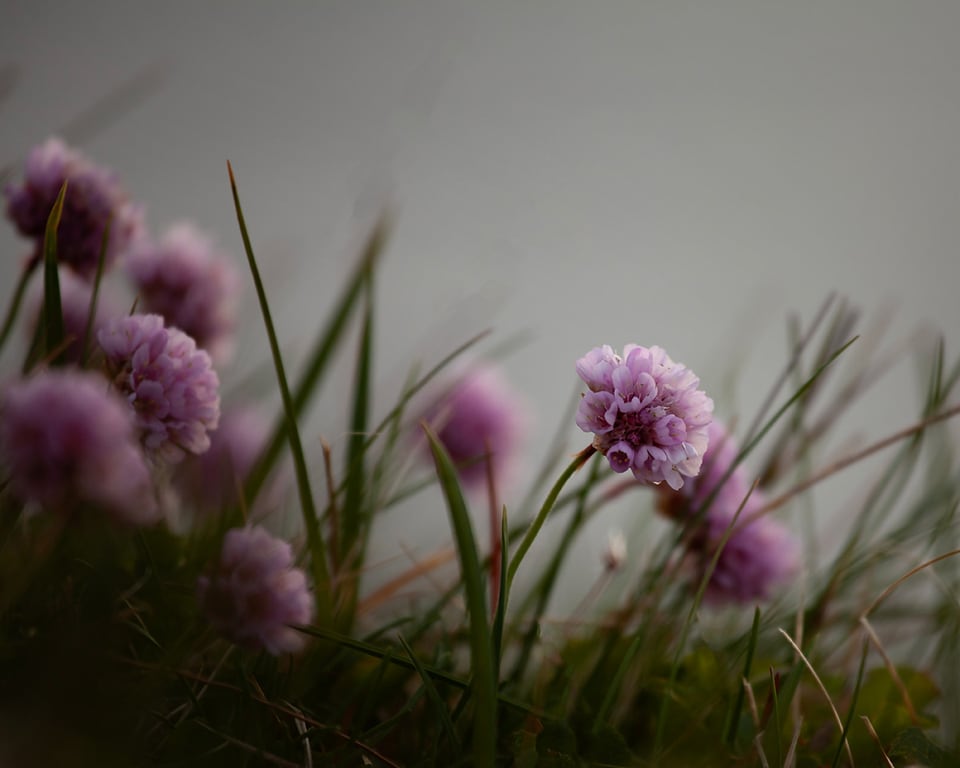
Pink heads on thin stalks on the rock outcrops above the shore, where salt kills everything else. 10 to 30 cm. It flowers from May to July and binds soil that is barely there.
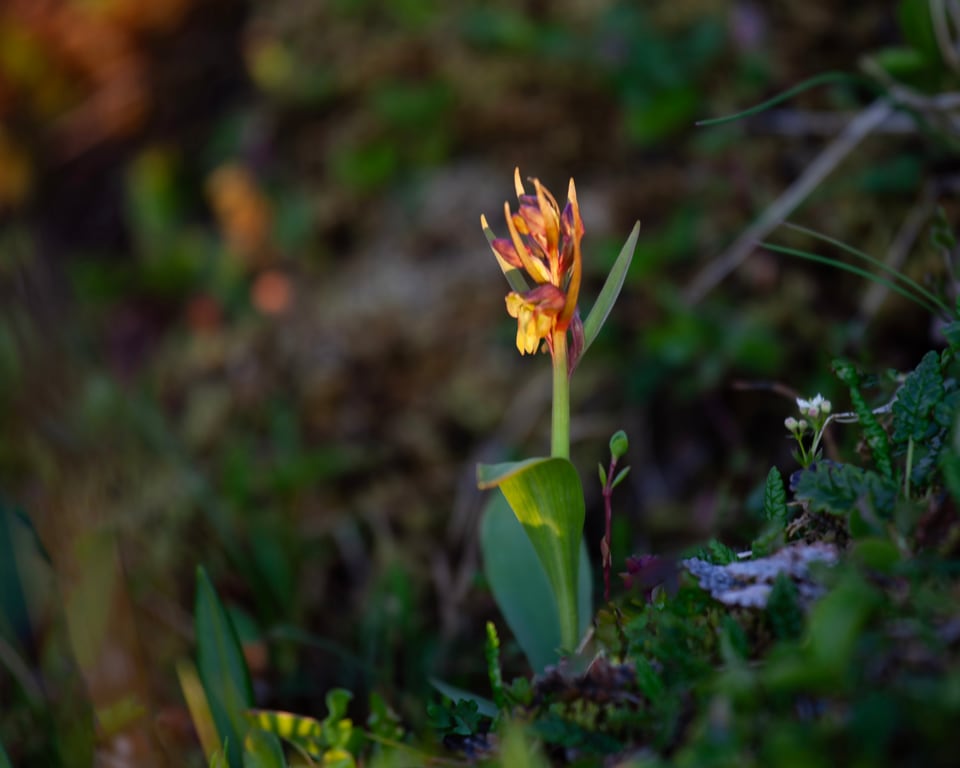
One of the five species of orchid that grow in Iceland. 5 to 25 cm, up to fifty flowers in the spike, each the size of a pea, greenish with a rusty edge. You will see it once you stop looking at the mountains.
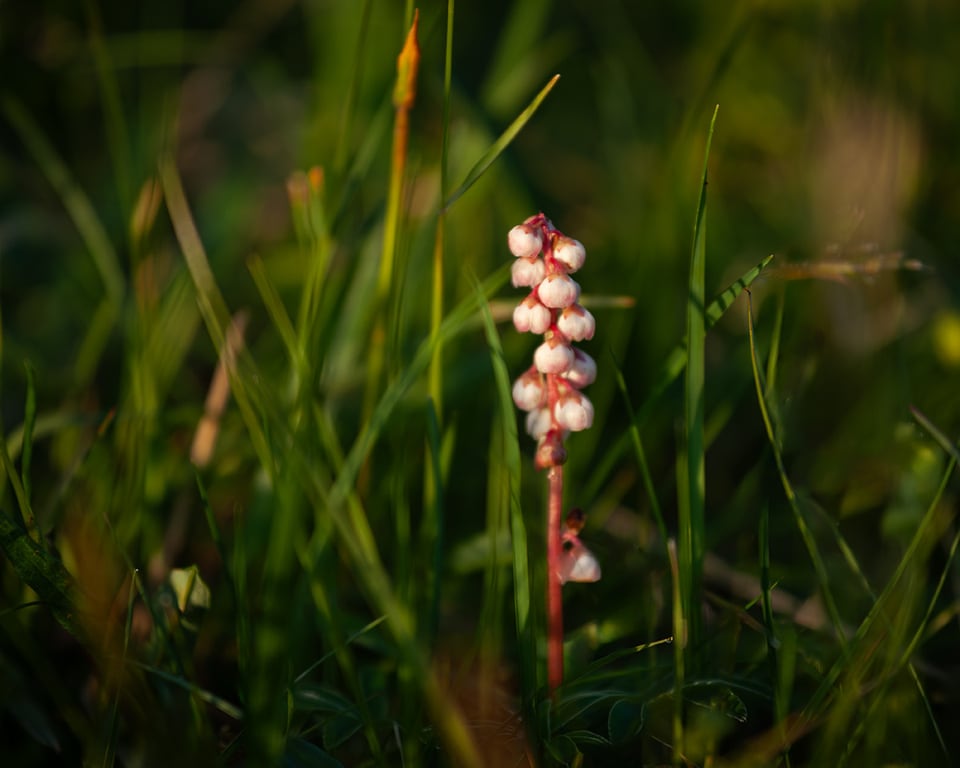
White bells on a reddish stem from June to August. It lives in mycorrhiza, in partnership with a fungus in the ground, so you look for it in shaded, damp places.
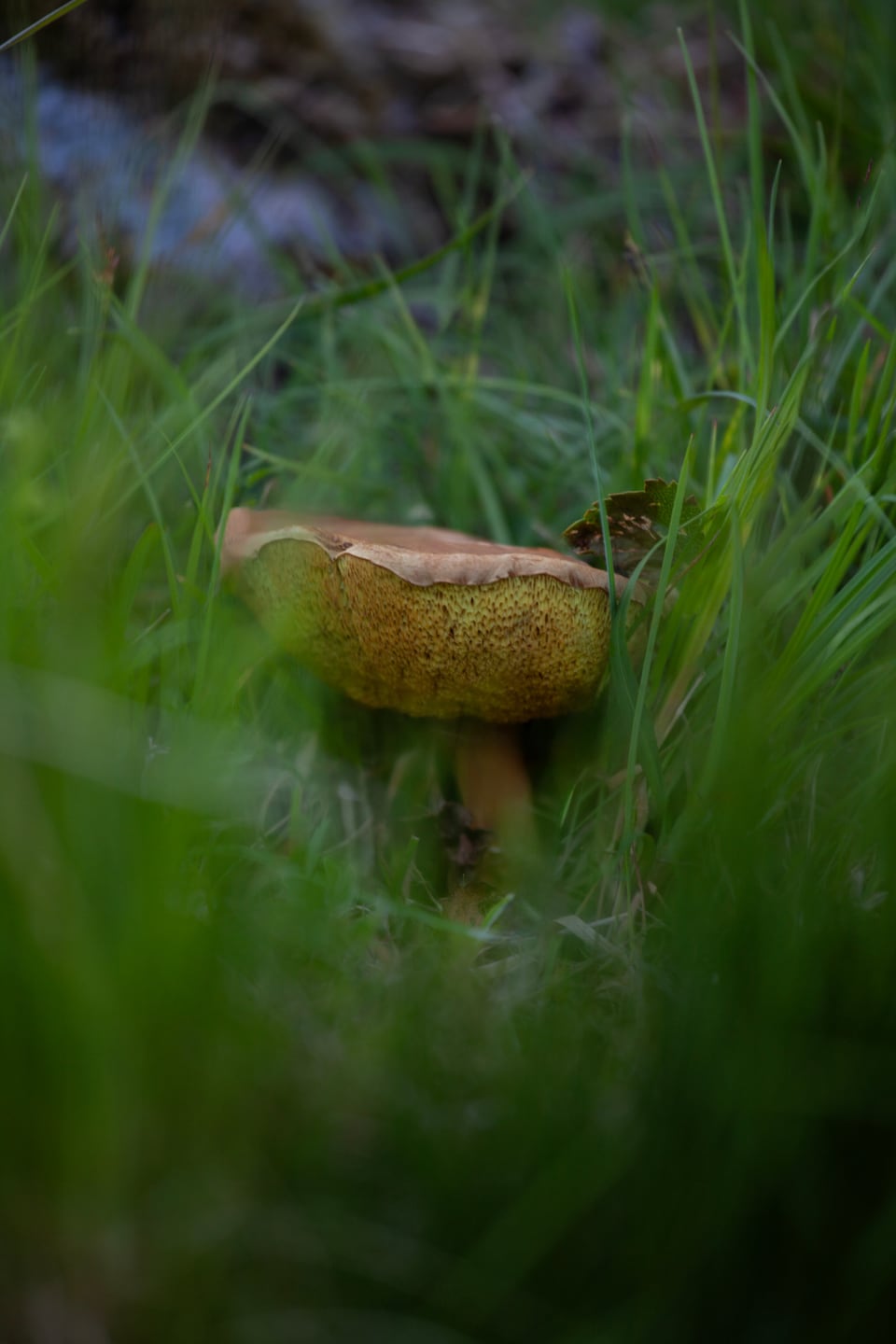
A fungus, not a plant: a velvety olive-brown cap and yellowish pores that do not turn blue.
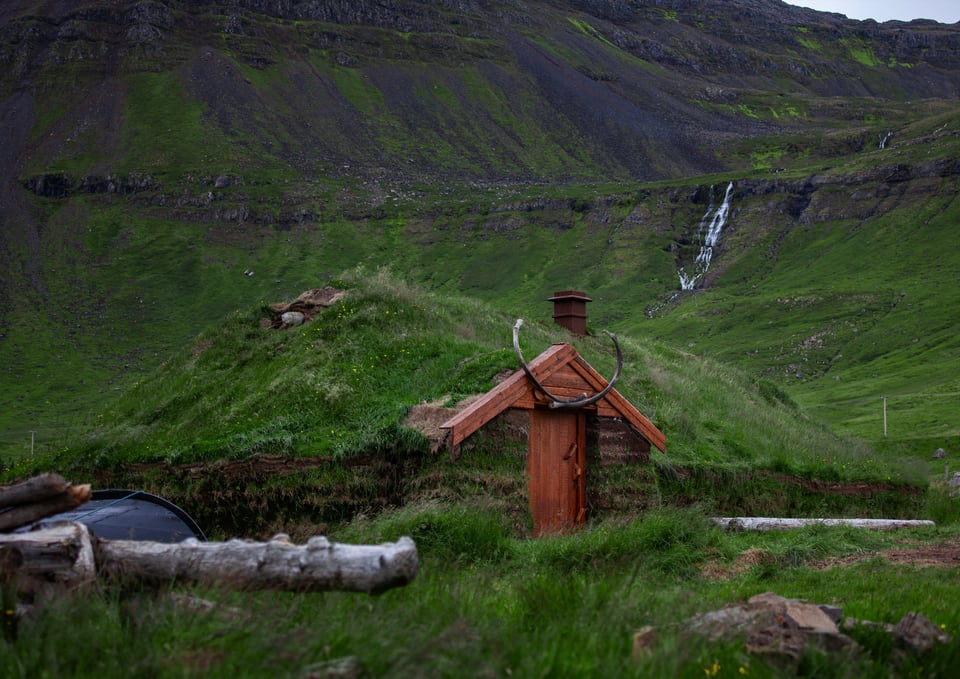
A modern reconstruction of a settlement-age longhouse at Botn. The building follows Grélutóftir. Fornminjafélag Súgandafjarðar began building in the summer of 2019 and the house opened to the public on 10 August 2024.
More in the chapter on historyRead the article about the turf house in Botn
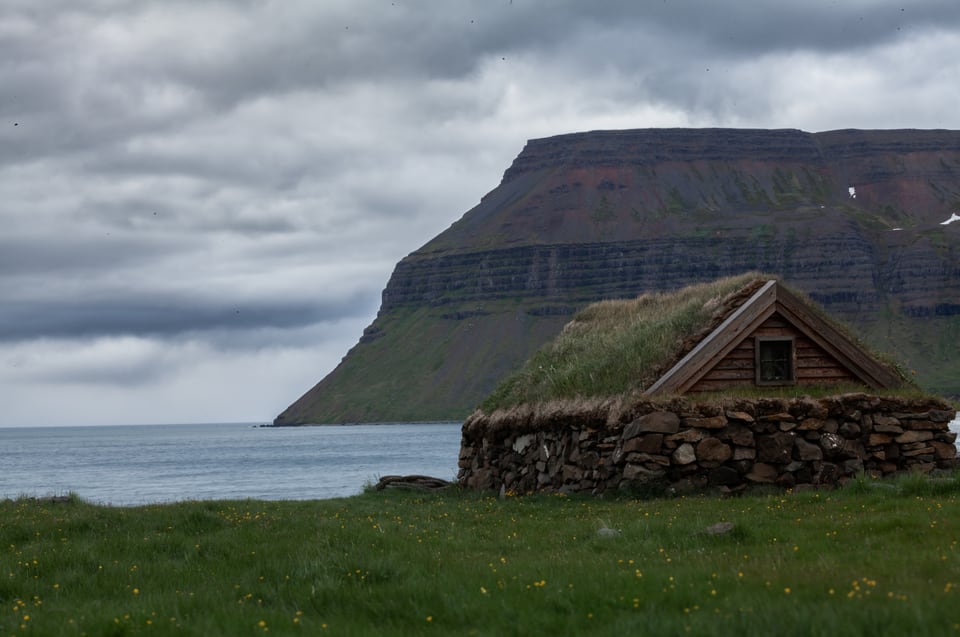
A reconstruction of a verbúð, a seasonal fishing hut, right on the shore west of the village, completed in 2021. Inside there are stone bunks and space for tools, and the cooking was done outside.